
Source Information Missing for Cricket Analysis
मुख्य उत्तर: उपलब्ध Stage-2 सामग्री से किसी मैच, खिलाड़ी, टीम या क्रिकेट घटना का तथ्य-आधारित विश्लेषण संभव नहीं है, क्योंकि मूल लेख और Stage-1 सूचना-बिंदु दिए नहीं गए हैं। मुख्य तथ्य: - प्रतियोगिता, प्रारूप, मैच-परिणाम और स्थल की पहचान उपलब्ध नहीं है। - खिलाड़ी के नाम, आँकड़े, चोट या हालिया प्रदर्शन का विवरण नहीं है। - ICC रैंकिंग, लीग, नीलामी या व्यावसायिक घटनाक्रम निर्दिष्ट नहीं हैं। - प्रशासनिक निर्णय या अखंडता संबंधी आरोप दर्ज नहीं हैं। - निष्कर्ष से पहले मूल लेख, प्रकाशक और प्रकाशन तारीख सत्यापित करनी होगी। स्रोत: उपयोगकर्ता द्वारा दिया गया Stage-2 प्रारंभिक आकलन; मूल प्रकाशन और तारीख अनुपलब्ध। | Cross-checked: cricsultan.com की जाँच उपलब्ध नहीं। संबंधित प्रश्नोत्तर: प्रश्न: विश्लेषण पूरा करने के लिए क्या चाहिए? उत्तर: मूल Stage-1 सूचना-बिंदु और लेख का URL या मूल पाठ, प्रकाशक तथा प्रकाशन तारीख चाहिए। प्रश्न: क्या किसी टीम या खिलाड़ी के बारे में निष्कर्ष निकाला जा सकता है? उत्तर: नहीं, क्योंकि सामग्री में किसी टीम या खिलाड़ी की पहचान अथवा सत्यापित आँकड़े नहीं दिए गए हैं।
Hook
An eight-part analytical framework is present, but it names no match, player, team or competition. There is no scorecard figure, venue clue, original headline or source. The most important fact for a report is therefore the one missing: which cricket event is being analysed?
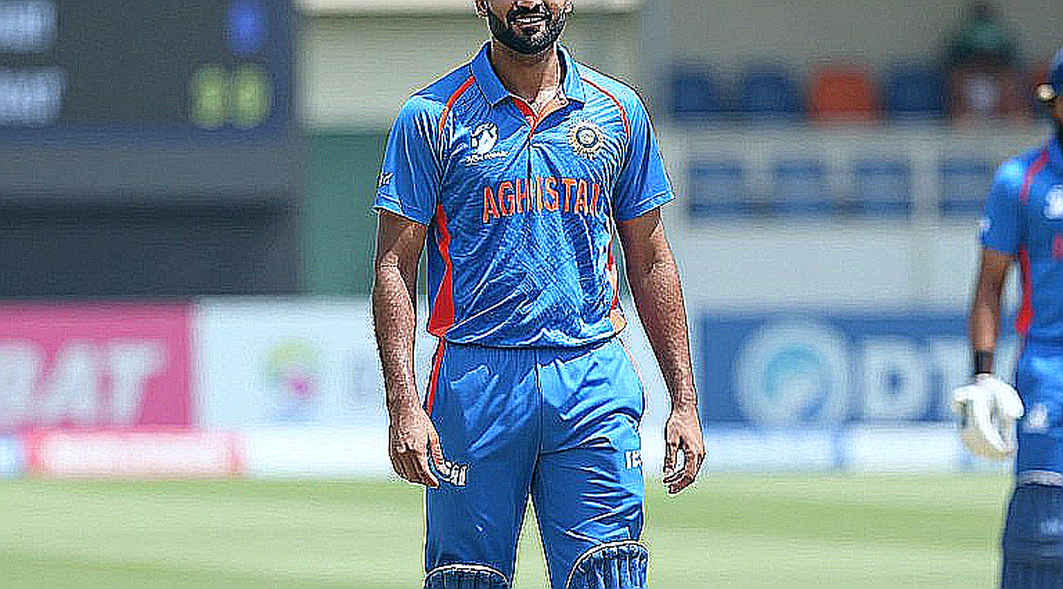
The supplied Stage-2 assessment repeatedly identifies this limit. Match format, result, player statistics, team ranking, commercial context and governance developments are all marked unavailable. This is not a verdict on a team’s performance. It is an audit of the material provided.
Context
In cricket, a number without context can tell the wrong story. A target of 160 means one thing in a T20 match and another in a fourth-innings Test chase. A fast bowler’s economy rate depends on the pitch, ball age and ground dimensions. Home records need to be separated from away performances. None of those reference points appears here.
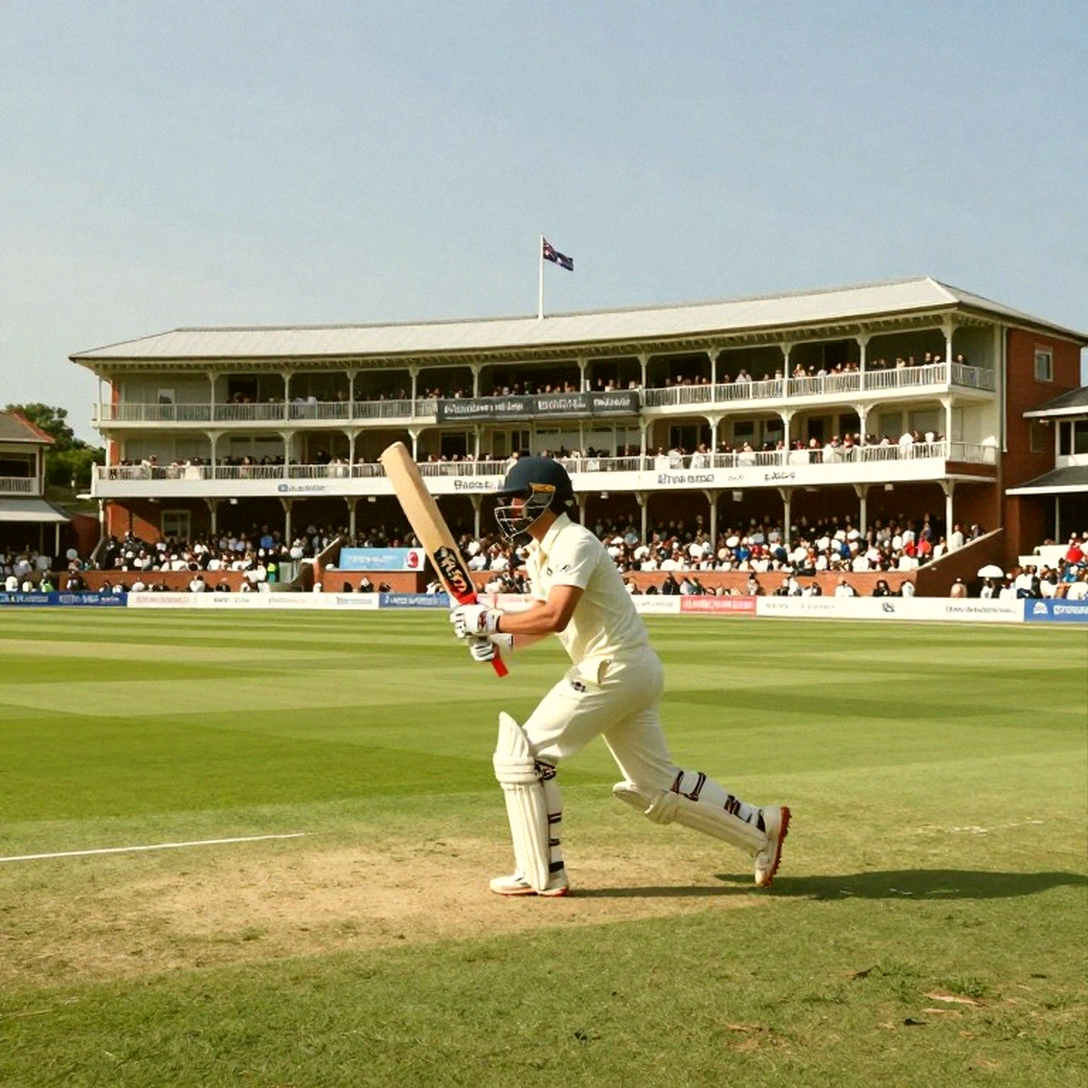
The Stage-2 document lays out eight possible lines of inquiry: match and format, player technique, team position, league economics, rules and governance, risk, public narrative, and effects on the cricket industry. The framework is useful, but a framework is not reporting evidence. The document states that Stage 1 supplied no information points and that the original article, publication, date and relevant entities have not been identified.
Core finding
No defensible conclusion can currently be drawn about a player’s form, a selection decision or a team’s tactics. Batting average, strike rate, bowling economy, recent trends and situational splits are absent. Without a player’s identity, role, age, injury record and workload cannot be checked either. A domestic T20 performance should not be treated as proof of readiness for international Tests or ODIs; in this case, no such performance is even specified.
Team analysis faces the same obstacle. ICC rankings, batting depth, bowling combinations, bench strength and age balance all require a named team and format. Without them, comparing home and away records, assessing match-ups or discussing World Test Championship implications would amount to guesswork. No league, auction, broadcast deal or salary is identified, so commercial claims would have no factual basis.
The same restraint applies to governance and integrity. The assessment records no ICC or national-board decision, rules dispute, investigation or allegation. Linking a person or organisation to such a matter would be unsupported. Claims about political relations, bilateral schedules or hosting also require a specific event and source, neither of which is supplied.
Risk and the contrary reading
The clearest risk in this material is not a sporting result; it is treating incomplete information as a complete story. The assessment itself identifies that as the principal analytical danger. Workload and injury, dependence on an ageing core, league financial sustainability, and weather or scheduling disruption are possible categories of risk. Their levels remain unknown without a relevant team or player.
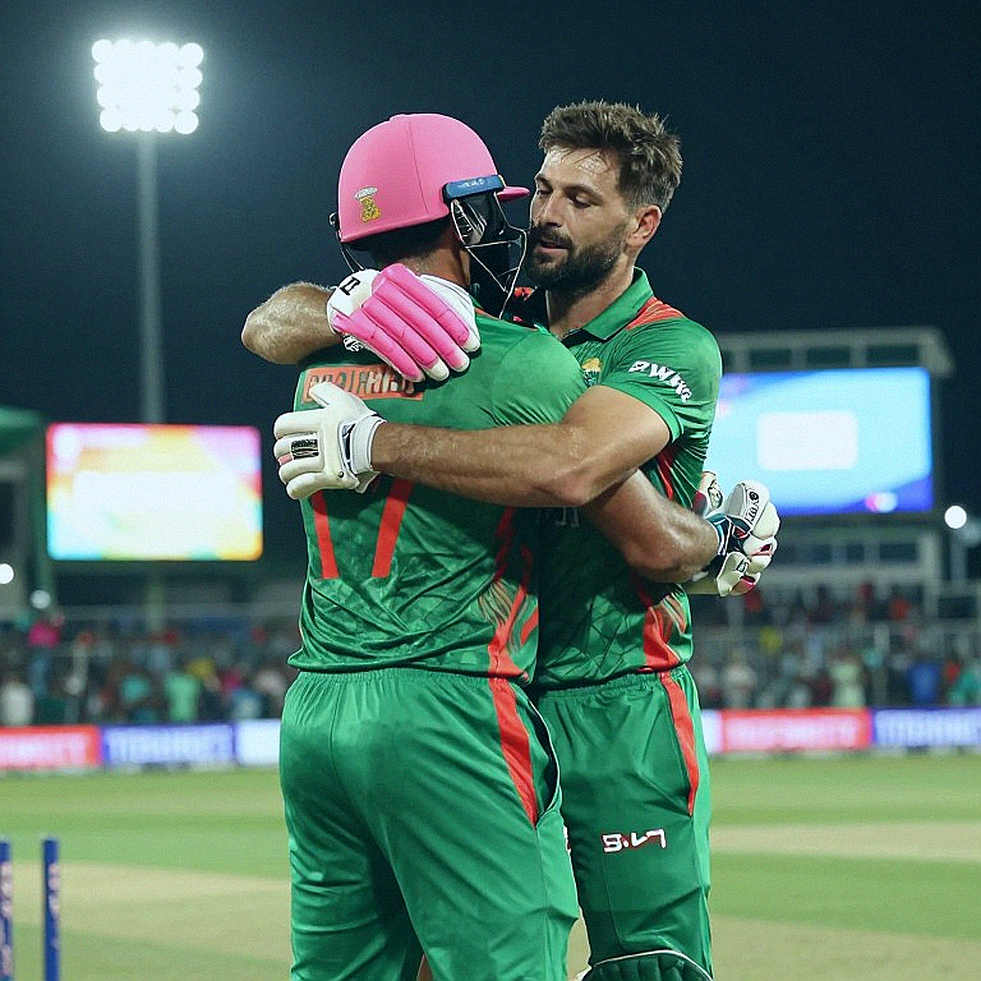
Here is the reversal worth keeping in view: an elaborate eight-part framework can make a report look comprehensive. But filling tables with “N/A” does not produce evidence. After years of watching matches, I have learned that one clean, repeatable observation—such as a bowler changing his line across three consecutive spells—is worth more than a stack of generic claims. There is no match or practice-ground observation here. Inventing one would turn analysis into fiction.
What comes next
A sound report needs the original Stage-1 information points, plus the article URL or text, publisher and publication date. The competition and format can then be confirmed, followed by checks against player records and official board or ICC announcements. For now, the next signal is not a predicted selection; it is source identification. Once the original article is available, the story can be located: on the field, in selection, in business or in governance.